

IoT & HACCP Insights
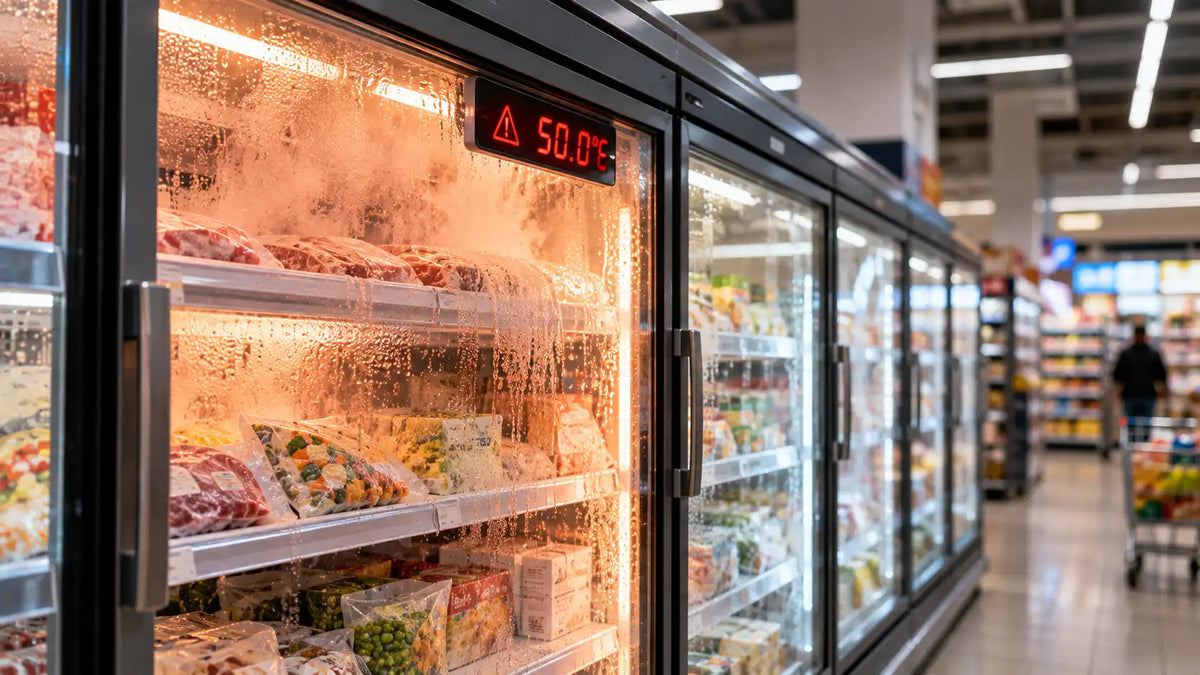
- 0 commentson Cyberattack on cooling systems: Why independent temperature monitoring is becoming increasingly important
- by Christian Spiegelburg

- 0 commentson Bacteria, Temperature, and Hygiene: How to Keep Food Safe
- by Christian Spiegelburg
Bacteria, Temperature, and Hygiene: How to Keep Food Safe
Read moreabout Bacteria, Temperature, and Hygiene: How to Keep Food Safe
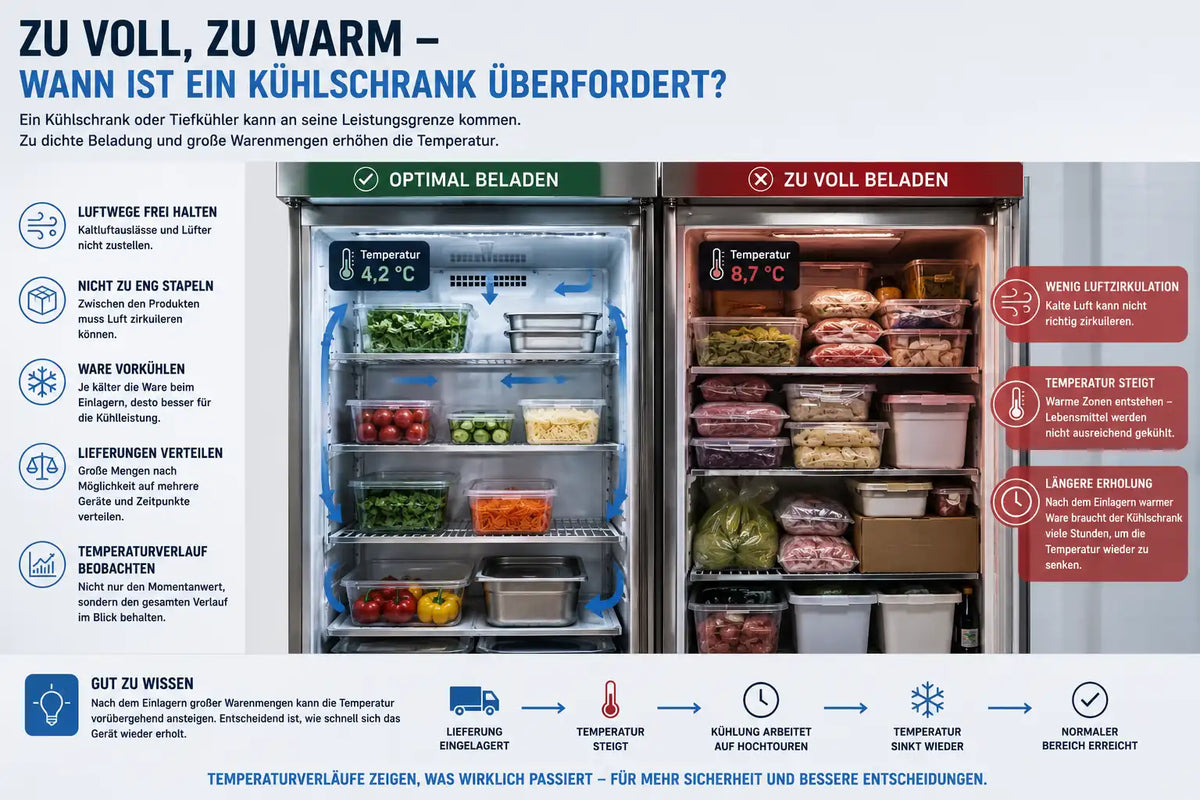
- 0 commentson Too full, too warm – when is a refrigerator overwhelmed?
- by Christian Spiegelburg
Too full, too warm – when is a refrigerator overwhelmed?
Read moreabout Too full, too warm – when is a refrigerator overwhelmed?
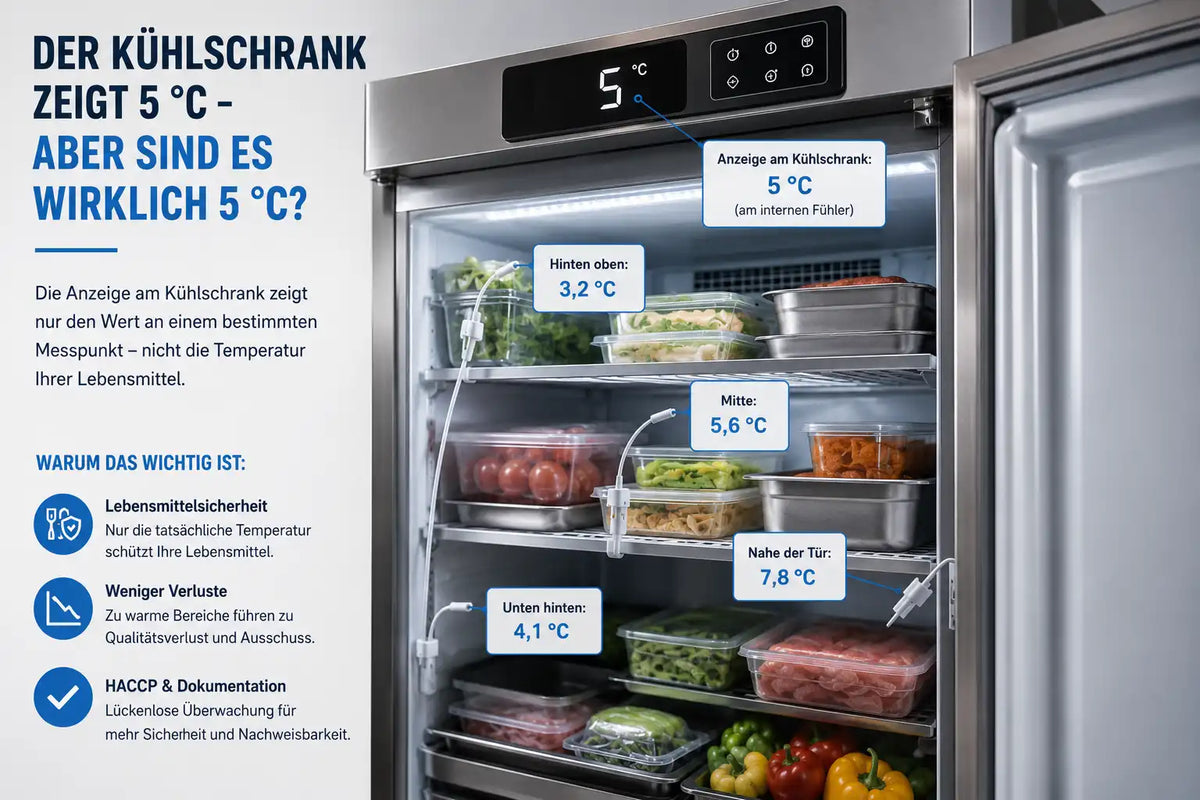
- 0 commentson The refrigerator shows 5°C – but is it really 5°C?
- by Christian Spiegelburg
The refrigerator shows 5°C – but is it really 5°C?
Read moreabout The refrigerator shows 5°C – but is it really 5°C?
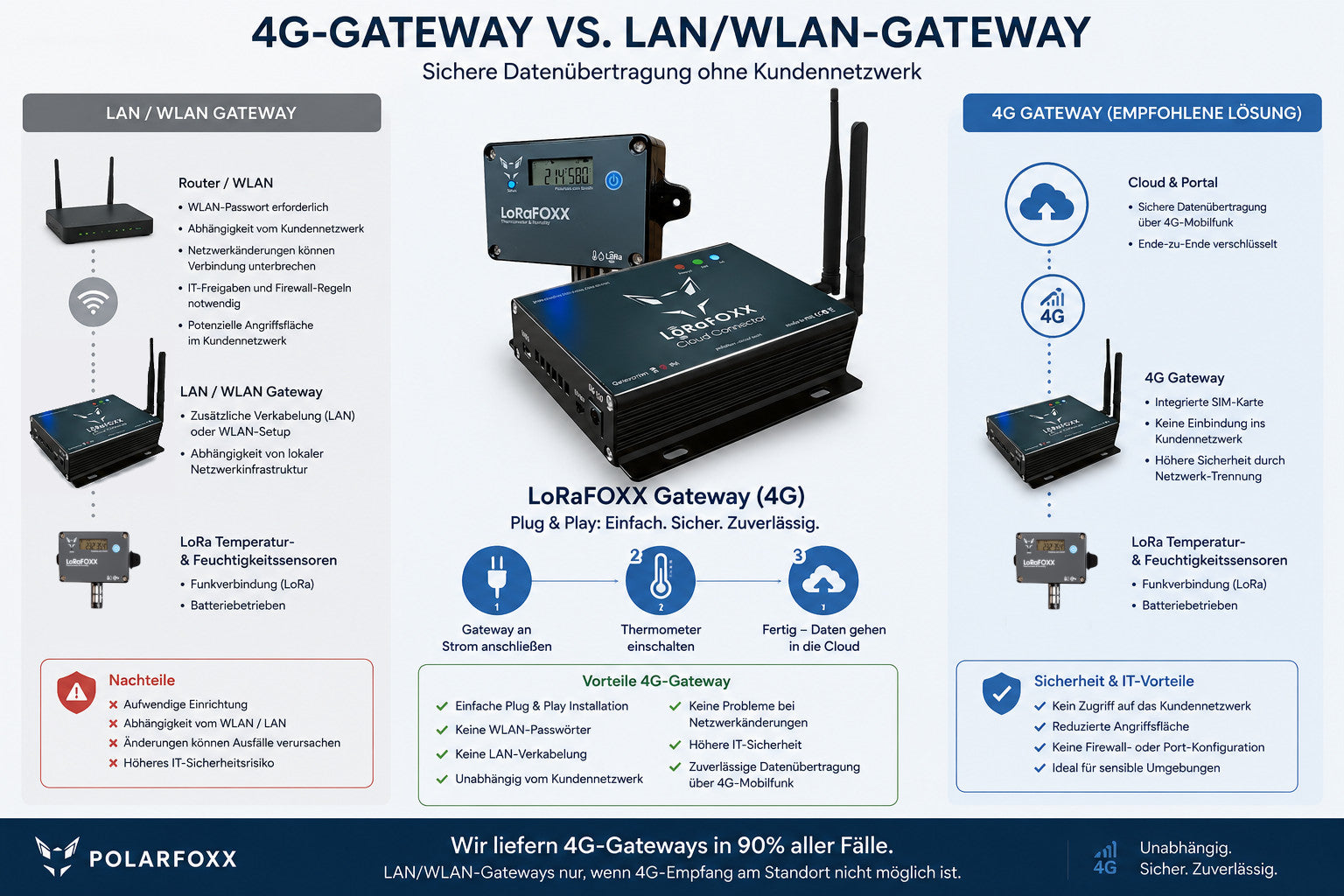
- 0 commentson 4G Gateway Instead of Wi-Fi: Less IT Risk, More Operational Reliability
- by Christian Spiegelburg
4G Gateway Instead of Wi-Fi: Less IT Risk, More Operational Reliability
Read moreabout 4G Gateway Instead of Wi-Fi: Less IT Risk, More Operational Reliability
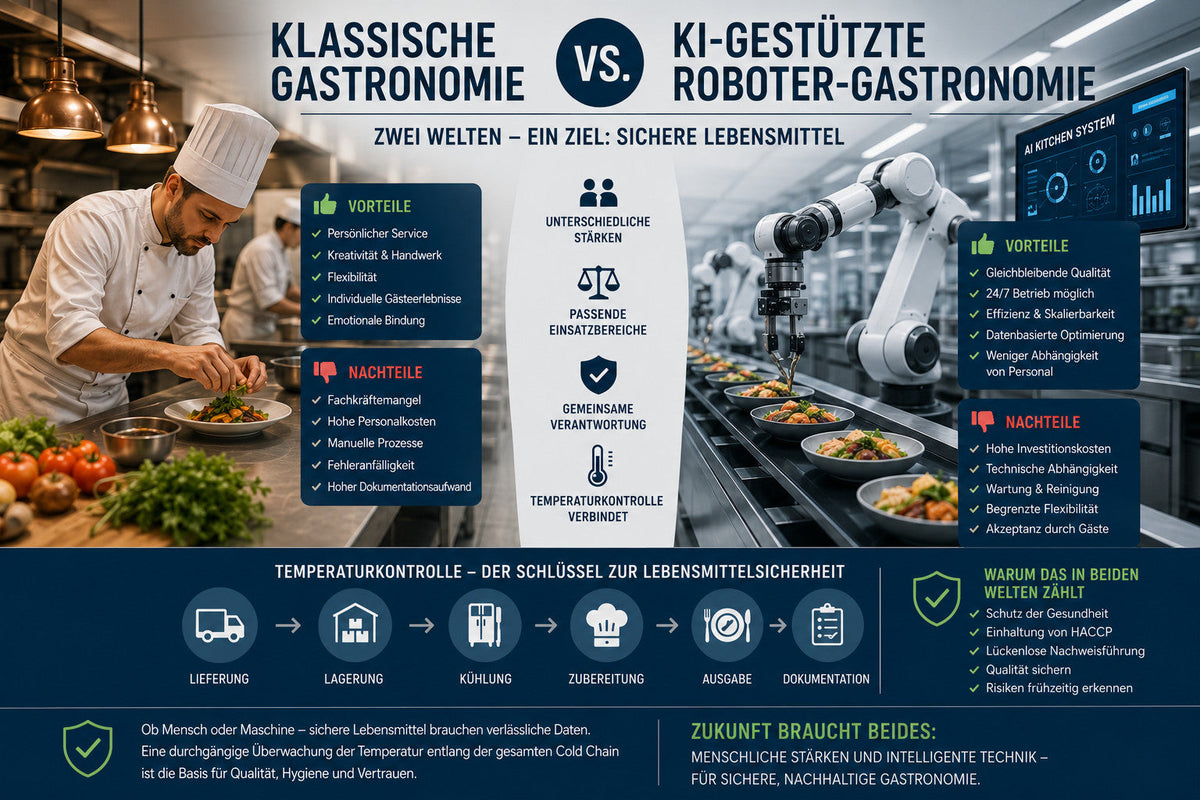
- 0 commentson Gastronomy in Transition: Humans, Robots, and the Importance of the Cold Chain
- by Christian Spiegelburg
Gastronomy in Transition: Humans, Robots, and the Importance of the Cold Chain
Classic gastronomy combines warmth and craftsmanship, while modern robots bring scalability. But no matter which model is at work: seamless temperature control is essential for reliable food safety in both worlds.
Read moreabout Gastronomy in Transition: Humans, Robots, and the Importance of the Cold Chain
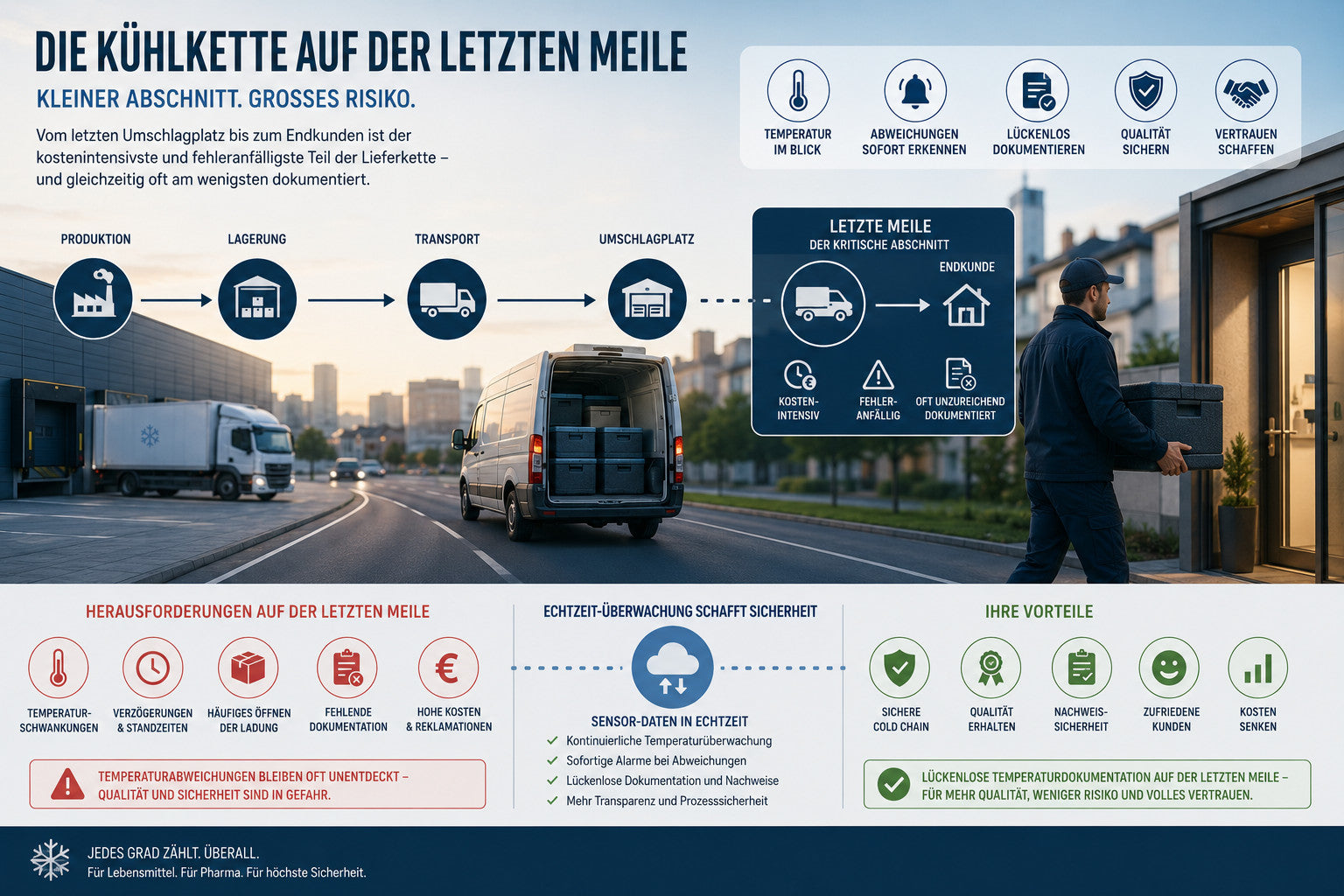
- 0 commentson Last Mile, High Stakes: Why Temperature Control in Deliveries is Critical
- by Christian Spiegelburg
Last Mile, High Stakes: Why Temperature Control in Deliveries is Critical
The last mile is the most challenging segment of the cold chain. Inadequate documentation jeopardizes food and pharmaceuticals. Real-time sensors and digital temperature data create transparent proofs, ensuring quality and reliably closing this critical gap.
Read moreabout Last Mile, High Stakes: Why Temperature Control in Deliveries is Critical
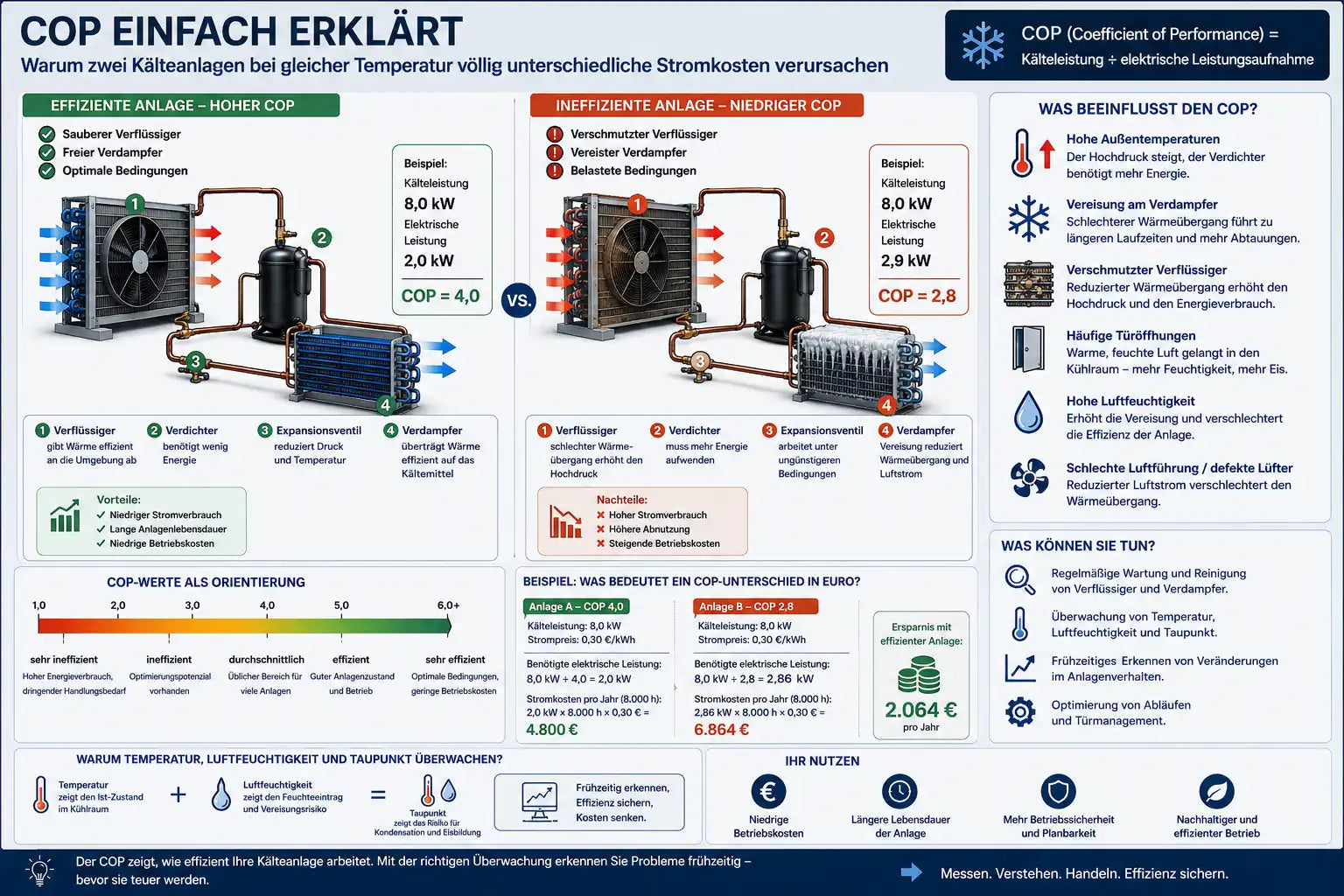
- 0 commentson The Physics of Refrigeration
- by Christian Spiegelburg
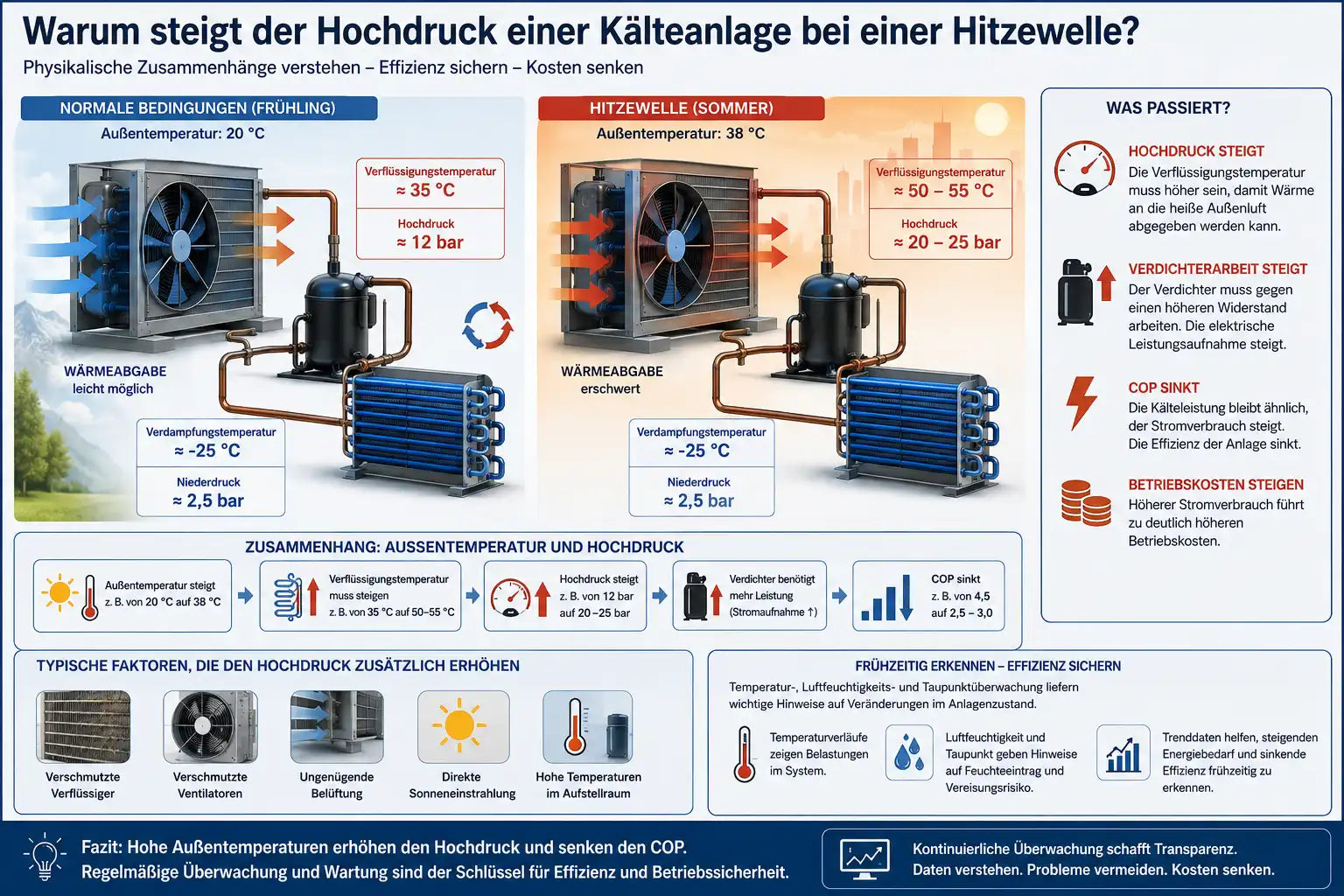
- 0 commentson The Physics of Refrigeration
- by Christian Spiegelburg